Pickleball Academy Era Pickleball: Precision Serves
In the growing world of pickleball, small refinements often yield outsized results. The Era Pickleball story is more than a brand arc or a glossy facility tour. It is a practical investigation into technique, tempo, and the way a center can cultivate an adaptable mindset in players who range from curious beginners to seasoned competitors. At its core, precision serves are not just about aces; they’re about shaping points, controlling rhythm, and building confidence that carries through to every stroke in the rally.
As I travel across courts, I see the same pattern resurfacing: players can hit the ball hard enough, but they struggle with placement, consistency, and the mental clarity that serves demand. Era Pickleball has built an environment that treats serve work as the foundation of a broader skillset. The approach blends structured coaching with open practice, and it respects the fact that serves live in a nuanced space between risk and reward. A precise serve is not merely a weapon; it is a diagnostic tool that reveals a player’s readiness to compete at higher levels.
The Era Pickleball center has grown out of a practical need I first witnessed years ago on a community court. A beginner would hustle to reach a soft, forgiving shot, only to discover midway into a rally that the opponent’s return had already established the tempo. A well-timed, well-placed serve flips the script. It creates a moment of doubt for the receiver and invites the server to own the point from the first contact. The erapickleball.com pickleball center is built around that concept, with a dedicated focus on building serve momentum in a way that feels natural rather than contrived.
This article looks at how Era Pickleball approaches precision serves from multiple angles. It’s not a manual. It’s a lived experience drawn from practice courts, competition lanes, and the daily rhythms of a dedicated pickleball center. The aim is to translate that practical wisdom into something coaches, players, and families can apply, whether they train at Era Pickleball pickleball court rental or simply visit for a few hours of focused work.
The anatomy of a precise serve begins with intention. When a player steps into the line at the start of a rally, the mind should be preoccupied not with how hard the ball can be struck but with how the serve will slice through the opponent’s responses. A precise serve sets up the next shot by shaping the angle, the pace, and the height. It gives the partner on the other side of the net a clearer, narrower path to defend or attack. The clockwork behind that intention is a blend of biomechanics, strategy, and practice logistics—precisely the type of integration that Era Pickleball emphasizes in its sessions at the pickleball academy.
Within the walls of the center, staff members spend time with players working through the sensory cues that govern a successful serve. Balance, footwork, and grip are all pieces of the same puzzle. A slight adjustment in stance can alter the serve’s trajectory from a deep, landing serve to a tactical drop that cinches the point. The coaching philosophy here leans into what works under real competitive pressure, not what sounds good on paper. It is one thing to demonstrate a serve in a front-row drill and another entirely to reproduce that same movement while an opponent is double-backing for a return.
To appreciate the craft, consider the different serve concepts that the era pickleball academy leans into. The first is the controlled power serve. This is the shot you can hit with confidence and repeatability, driving the ball into the deep back corners or along the sidelines to push the receiver wide. The second is the placement serve, which favors exact locations—short serves to force a low, easy return or a service-line placement that curtails the receiver’s ability to attack immediately. Then comes the soft serve, a hinge between deception and control that keeps the ball low and just over the net, inviting a weak reply that becomes a transition opportunity. The balance of these options is what makes a player dangerous, not a one-trick pony. The Era Pickleball center has learned to teach this balance through session design, drills, and the inevitable adaptation that comes when the court surface changes or a rival brings a new tactic.
The practical realities of teaching this craft are often overlooked by players chasing perfect form in isolation. A precise serve, to be effective, must be integrated with the rest of the game. It should fit into a broader plan that accounts for your partner’s strengths and the opponent’s tendencies. The coaching teams at era pickleball academy understand that a great serve does not exist in a vacuum; it is part of a coordinated approach that includes return pressure, net play, and the rhythm of transition to readiness for the third ball.
The ethos behind the era pickleball academy and its operations at eras pickleball center is deeply practical. There is respect for the friction of the court, the weight shift through the hips, and the way the paddle angle changes the ball’s path. Some players arrive with a violent serve that generates speed but lacks accuracy. Others arrive with service-line accuracy but limited pace. The blend they cultivate is designed to close that gap, creating a reflectively strong game that can adapt across partners and opponents. In this environment, players learn to experiment with timing, tempo, and touch in a way that does not derail their confidence. They learn to measure risk in lines and inches, not just in kilometers per hour.
A key part of refining precision serves happens through deliberate practice blocks that mimic match conditions. The Era Pickleball pickleball court rental spaces are arranged to support these conditions: markers along the service line, chalked zones for target practice, and mirrors that help players visualize the arc of their serve. The center’s coaches build routines around this equipment, guiding players to hit a sequence of serves with different objectives. It might start with a deep, heavy serve to push a receiver back, followed by a short, precise serve that forces a low return. The progression continues with variations, forcing the player to shift from one tactic to another as quickly as possible. What emerges is a mental and tactile fluency—an awareness of how to adjust on the fly when a play unfolds in ways that disrupt the initial plan.
The practical discipline of precision serving also extends to the way practitioners track progress. In many sessions at era pickleball academy, players maintain a simple log of serves: the target location, the result, the quality rating, and a short note on what felt off or what felt right. The data is not used to shame but to illuminate patterns. If a player finds that their short serves consistently land too deep when fatigue sets in, the coaching team investigates the underlying mechanics or perhaps the warm-up routine that preludes the serve. If the problem is a broken rhythm in timing, they adjust the practice sequence to reintroduce the necessary tempo without exhausting the player. The aim is to build a feedback loop that reinforces smart adjustments rather than defensiveness.
The conversations around service practice extend beyond the court. Families and developing players alike often ask how to take this work home, how to translate a drill into real match performance, and how to sustain momentum through a long season. What emerges is a philosophy of sustainable improvement. The best players at era pickleball center understand that each practice block has a finite window of freshness in their minds and bodies. They learn to sequence their training so that they can preserve that freshness for the most meaningful matches. They also learn to pair technical work with conditioning that supports the exact mechanics of a precise serve. The result is a player who can maintain accuracy under pressure, even when the scoreboard is not in their favor.
One of the most telling signs of growth in precision serving is the way players accept and embrace constructive criticism. In the open, non-judgmental culture of the pickleball academy, feedback is a partner rather than a threat. Coaches describe flaws in terms of how a serve could fit more cleanly into a specific tactical plan. They praise the small corrections that compound into real gains. The learners reciprocate by documenting their observations after practice, noting what adjustments they made and how those changes felt in the subsequent drill. This collaborative mindset is not incidental. It is the engine that powers ongoing improvement at era pickleball academy.
In practice, the center’s approach to precision serving is not about converting every student into a power server. It is about developing a versatile tool kit. Some students will thrive with heavy serves, while others will leverage variation and placement to disrupt rhythm. The beauty of the Era Pickleball approach lies in recognizing and cultivating the best fit for each player, rather than pushing a singular technique pickleball near me as the universal solution. This is especially important for players who balance school, work, or other commitments with their pickleball training. The coaching staff designs pathways that respect time constraints while still delivering meaningful gains in serve quality and match-readiness.
The environment at erapickleball.com pickleball academy also emphasizes the social and strategic dimensions of precision serving. Small-sided games and serve-and-return drills create realistic pressure that mirrors tournament conditions. Players learn to manage serve pressure not only by improving technical precision but also by controlling their own emotions. When a big point surfaces, the ability to sustain target accuracy is often what separates the winner from the rest. The center’s community aspect matters here. Players encourage one another, share tips, and build a collective knowledge base about how to break a tough serve-down and how to keep it consistent through a multi-game stretch.
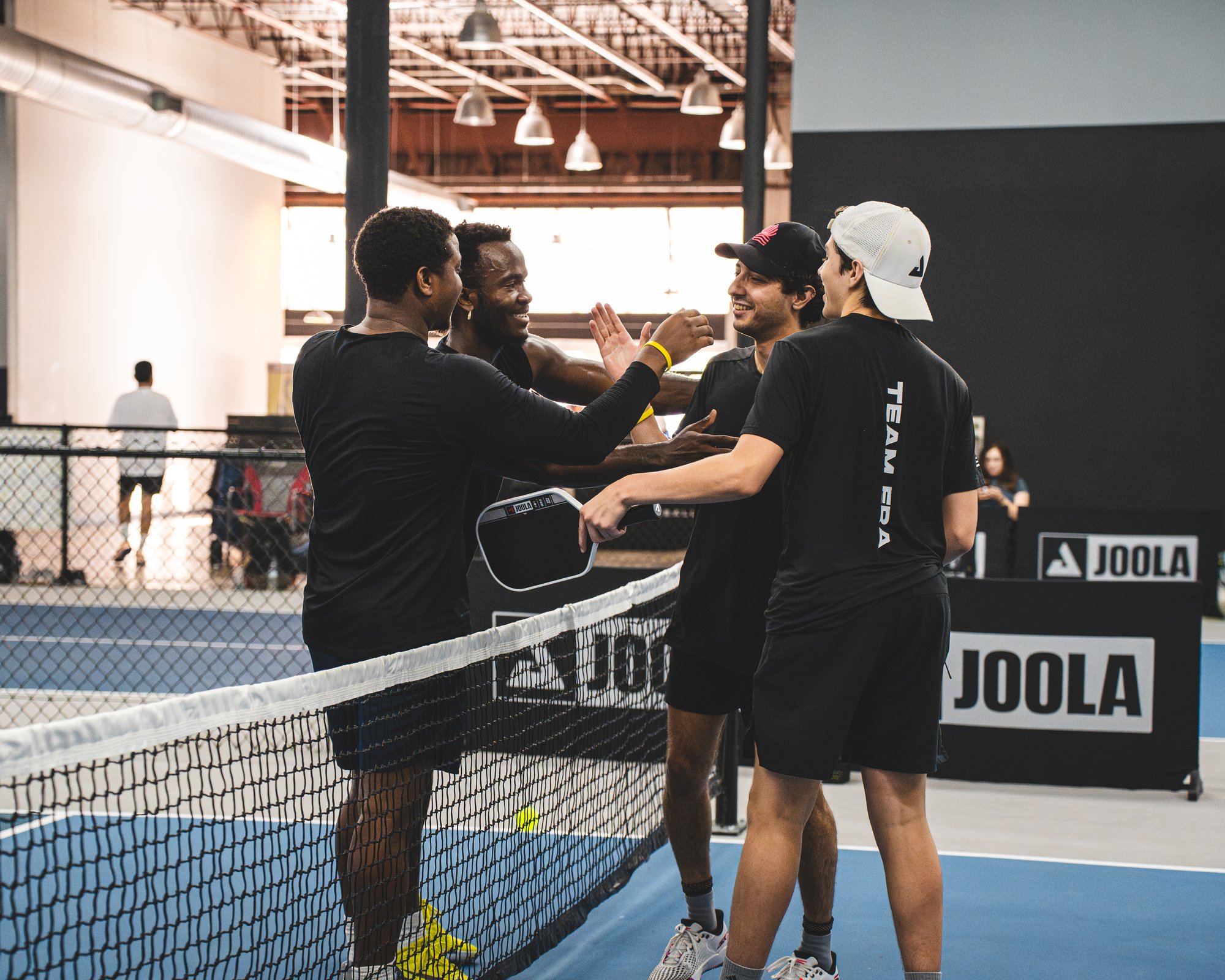
For players considering access to dedicated spaces, the era pickleball center offers flexible options. The pickleball court rental framework is designed to accommodate different needs: a focused session with a single coach, a small group clinic, or even a longer, immersive block for players preparing for a season. The practical reality is that a well-designed practice space, paired with thoughtful coaching, multiplies the effectiveness of every minute on court. The cost is justified not only by the quality of instruction but by the sense of structure and accountability that a formal practice plan provides. In some markets, the availability of a pickleball court rental Era Pickleball slots can be the difference between a player maintaining momentum and losing focus during the off-season.
As with any specialized sport, there are limitations and edge cases to acknowledge. Not every player will become a serve-first specialist, and not every match will hinge on the early points won from a precise serve. There are times when a softer, more deceptive serve can disrupt an opponent’s timing more effectively than a rocket serve that risks misfire or fault. The Era Pickleball coaching staff does not impose a one-size-fits-all recipe. They adapt to the individual’s skill set, the opponent’s tendencies, and the court conditions on the day of a match. Environmental factors matter—indoor lighting, court surface, and even the quality of the net can influence how a serve travels and lands. Knowledge of these nuances helps players calibrate their technique rather than chase a theoretical ideal.
The wider pickleball ecosystem benefits from centers that prioritize precision serving as a core discipline. In a sport that often looks fast and flashy, the quiet, repeatable accuracy of a well-executed serve is a counterbalance that keeps rallies fair and sustainable. It helps newcomers break into the flow without being overwhelmed by pure power and allows more experienced players to sharpen control under pressure. The Era Pickleball center’s approach demonstrates that technique education, when combined with thoughtful practice environments and a strong coaching culture, can elevate a community’s playing level in a tangible and measurable way.
The story of Era Pickleball is also a reminder of the importance of accessible, well-run training spaces. When players have reliable access to courts, equipment, and coaching, the learning curve becomes less steep. The pickleball academy model, including its network through erapickleball.com, offers a template that other communities can adapt. It shows that high standards do not have to be exclusive to elite facilities; they can be embedded in local centers that serve players at every stage of their journey. The key lies in balancing technical instruction with practical drills, creating an atmosphere of curiosity, and maintaining a cadence that respects both the art and science of the serve.
For those who have watched the evolution of serve technique on sidelines and in clinic rooms, the Era Pickleball perspective is both pragmatic and hopeful. It acknowledges the value of teaching precision without sacrificing enjoyment, competition without creating anxiety, and progress without demanding perfect execution right away. The center’s philosophy aligns with a longer arc of skill development, one that respects the time needed to internalize new mechanics while recognizing the quick wins that come from small adjustments made consistently over weeks.
In terms of concrete takeaways, players and coaches can adopt several principles from the Era Pickleball approach to precision serves:
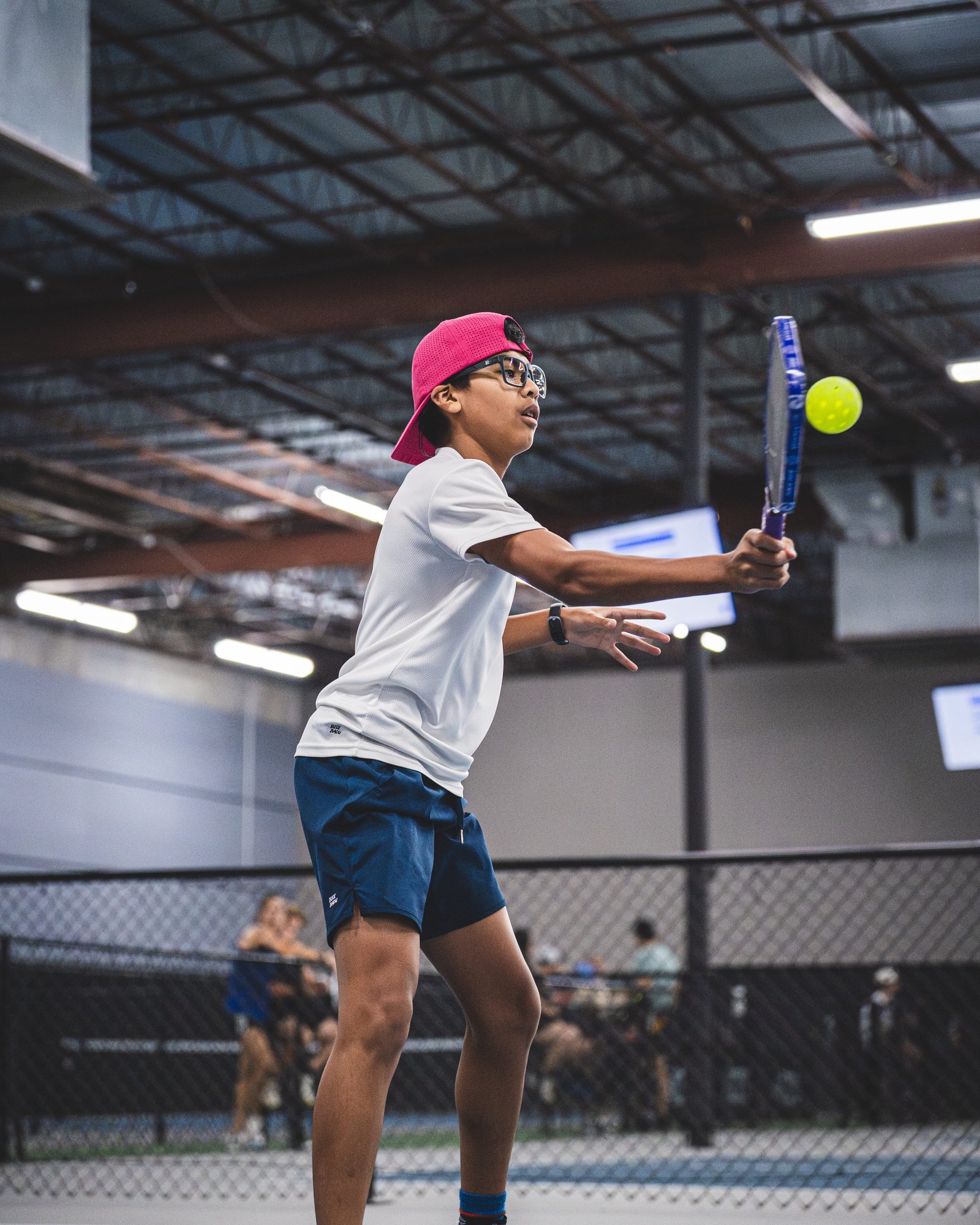
- Start with clear intent. Before you even grip the paddle, decide what you want the serve to accomplish on this rally and how you expect your opponent to respond. Clarity reduces hesitation and increases consistency.
- Prioritize placement over power at first. Develop accuracy in a few safe targets before adding pace. Once placement is reliable, speed can become a weapon without sacrificing control.
- Build a short sequence. Create a serve plan that includes a deep option, a short option, and a serve that forces a cross-court return. Practice the sequence until it becomes intuitive.
- Use targeted practice blocks. Arrange drills that isolate the serve variation you are working on, then combine them into a short rally drill so the learning translates to game-like pressure.
- Embrace feedback. Maintain a simple log of what worked and what didn’t in different practice sessions. Use the notes to guide the next practice block, not to punish yourself for missteps.
- Consider the court and conditions. If you are practicing at the pickleball court rental Era Pickleball center, you can experiment with slight changes in grip pressure, stance width, or paddle angle to see how the serve behaves on that surface.
- Tie it to the rest of your game. A precise serve should be seen as a catalyst for a stronger all-around game, not an isolated specialty move. Work with your coach to align serves with your net play, your 3-bounce return expectations, and your transition into the third shot.
The practical reality is that this kind of progress takes time. A devoted practice routine builds over weeks of consistent effort. The Era Pickleball center recognizes that players have different trajectories and offers flexible scheduling to accommodate busy lives. A family can reserve a handful of sessions each month and steadily advance their child’s or their own technical vocabulary without feeling overwhelmed. The combination of a supportive environment, practical drills, and a clear path to improvement makes the journey toward precision serves both accessible and rewarding.
In the broader arc of player development, precision serves at era pickleball academy can influence decision-making across the court. When a player trusts that their serve has a reliable landing zone and an adjustable pace, they gain permission to take calculated risks elsewhere on the court. This sense of control reduces the impulse to overreact to every return and instead invites smarter shot selection. The mental discipline that grows from consistent serve practice often translates into better shot selection under pressure, steadier footwork, and improved court awareness.
Some readers might wonder how a focus on serves sits within the larger ecosystem of a pickleball center. The answer lies in the balance between depth and breadth. A center that emphasizes precision serving does not diminish other aspects of the game. It complements constructive rallies, effective net play, and tactical decision making. It can also inform how instructors design their sessions, from private coaching at erapickleball.com pickleball center to large-group clinics and weekend intensives. The emphasis on precise serving becomes a thread that runs through every facet of instruction, from warm-ups to cool-downs, ensuring that players leave each session with tangible improvements and a clearer sense of the game’s geometry.
For enthusiasts who want to see this approach in action, the best proof is in the practice room and on the court. The environments created by Era Pickleball and its associated centers have a way of turning small adjustments into long-term gains. It’s not about chasing a perfect serve but about crafting a reliable tool that can be deployed against different opponents, at different times, on different surfaces. The center’s commitment to this craft is evident in the careful attention given to the physics of the ball, the mechanics of the paddle, and the rhythms of play that define the sport. It is precisely this combination of science and feel that fuels progress.
If you are exploring options for training, you may consider visiting the Era Pickleball pickleball center to observe how a community of players learns together. You will notice the steady tempo of practice sessions, the way coaches tailor drills to individual needs, and the way players support one another as they push through plateaus. There is a sense of purpose that permeates the air, a reminder that mastery in this sport is earned through repeated, thoughtful effort rather than sudden bursts of inspiration. The center’s facilities, including court booking and equipment provisioning, reinforce this sense of seriousness with the practicality of a well-run program.
Meanwhile, the online arm of the ecosystem—erapickleball.com pickleball center—extends the reach beyond the walls of any single court. The website serves as a repository of coaching insights, practice plans, and practical notes that players can apply back in the court. The digital resources are designed to complement in-person work, offering a structured way to review technique, reflect on performance, and keep momentum between sessions. This integration of online and in-person training is an essential feature for players who want to sustain progress in the long run. It also reflects a modern understanding of how learning happens in a physically oriented sport: practice in the real world, reinforced by digital guidance when away from the court.
As this exploration of precision serves unfolds, it becomes clear that the Era Pickleball model is not about a single technique but about a culture of repeatable improvement. It is a culture that values the quiet, precise work as much as the flash of a winning shot. It respects the learner's pace while holding a high bar for what consistent practice can deliver. It recognizes that every serve delivered with intention and accuracy has the potential to reset a rally, tilt a match, and embolden a player who might otherwise retreat in the face of a challenging opponent.
The long arc of this approach suggests many practical implications for players, coaches, and facility operators alike. Coaches can borrow from the structured yet flexible philosophy to design sessions that balance technique with game-like pressure. Facility operators can model the kind of practice environment that supports sustained improvement, ensuring that everything from court lighting to ball inventory is aligned with the needs of serious learners. Players can approach their development with a clear plan, a willingness to iterate, and a sense that progress is not about chasing perfection but about cultivating a dependable skill set that grows with experience.
Finally, the personal dimension should not be overlooked. The discipline of refining precision serves not only as athletic training but as a reminder of how small, deliberate improvements can accumulate into meaningful change. There is a sense of satisfaction in watching a ball land exactly where you intend, in seeing a return push a rally into a new shape, or in hearing a coach acknowledge the quiet competence of a well-executed serve. For many players, these moments become the anchors of confidence, the experiences that keep them returning to the court with curiosity and resilience.
In sum, the era pickleball academy model rooted in Era Pickleball and supported by erapickleball.com pickleball academy and erapickleball.com pickleball center, with its emphasis on precision serves, offers a compelling blueprint for developing players who can think their way through a rally while executing with fidelity under pressure. It is a practical synthesis of science, art, and the realities of daily practice. It invites players to elevate their serving game not through brute force alone but through thoughtful, repeatable technique that can carry over to every other aspect of play. And in a sport that rewards tempo, placement, and nerve in equal measure, that combination is not just desirable—it is essential.